By Maya & Francesco, JC Kite School · November 2026
Two wind seasons, one lagoon
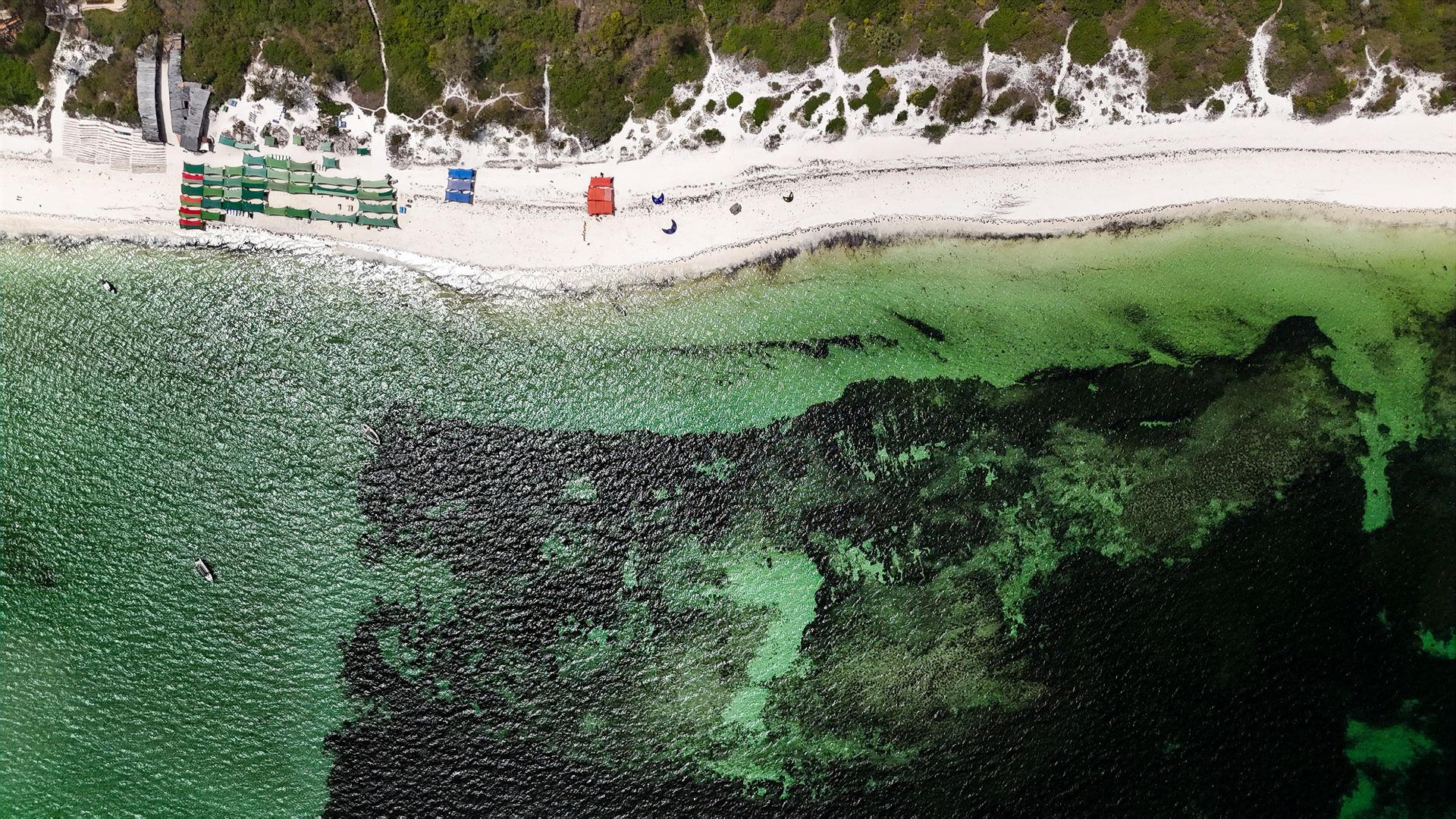
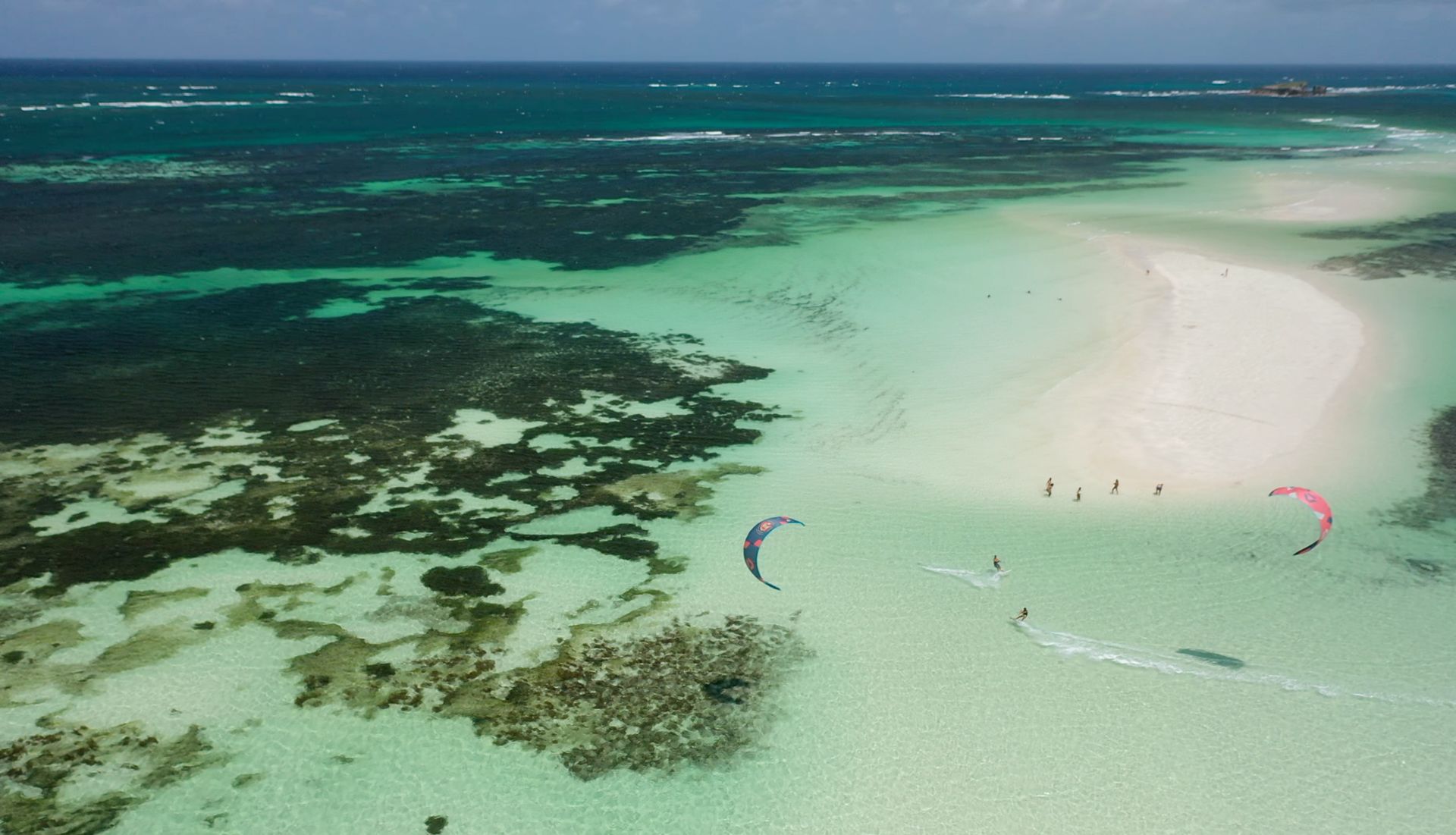
Watamu sits almost on the Equator, on the Indian Ocean coast of Kenya. That gives it two trade-wind seasons a year, warm water all year round and a long, shallow lagoon protected by the reef. We are on the beach every day of the season, so this is not a table copied from a weather site: it's what we actually see from our base on Garoda Beach.
Mid December – February: Kaskazi
The Kaskazi, the north-east monsoon, usually kicks in around 10 – 15 December. From then until the end of February it blows on average 15 – 20 knots, sunny and hot, with the water between 25°C and 30°C.
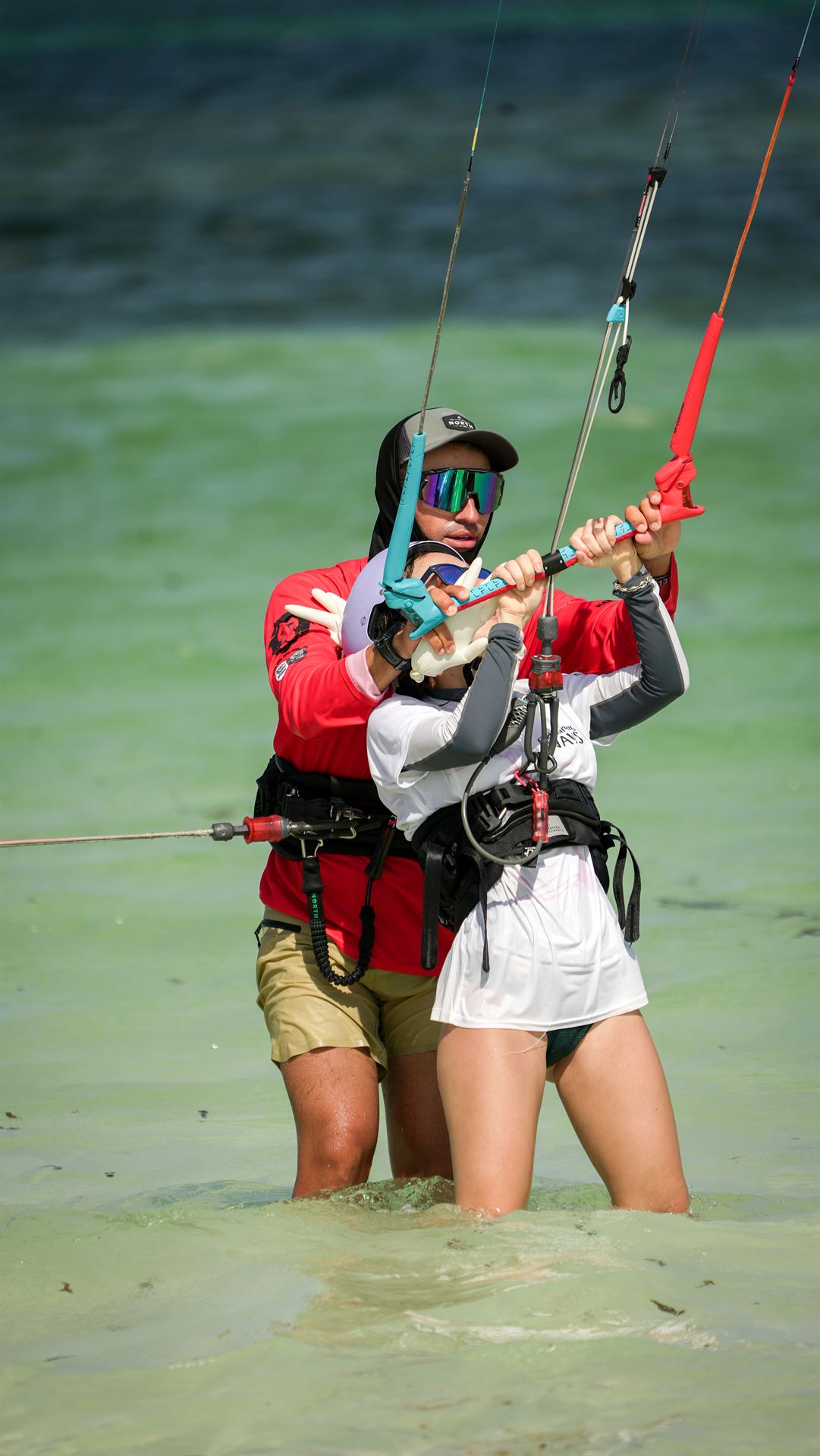
- Perfect for: beginners and anyone who loves medium wind and flat water – the most comfortable season to learn.
- Kite sizes: roughly 9 m to 14 m.
- Good to know: Christmas and New Year are the busiest weeks on the coast – book early.
March – April: the wind slows down
From March the Kaskazi gradually gets lighter. There are still good days, especially in early March, and the beach is quieter – but if kitesurfing is the main reason for your trip, write to us before you book and we'll tell you honestly what to expect.
May – August: Kusi
The Kusi (sometimes spelled Kuzi), the south-east monsoon, starts again in May or June.
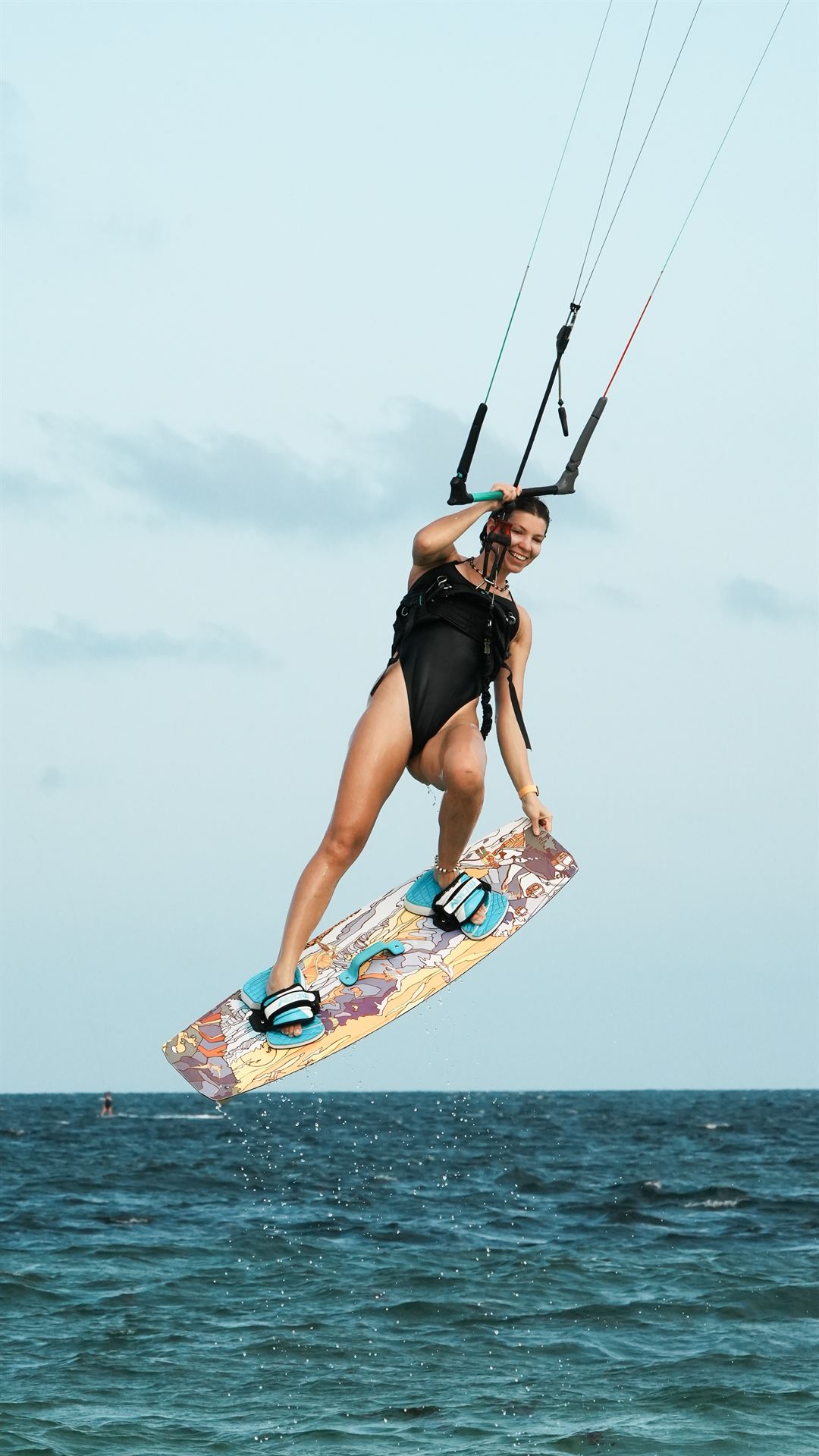
- June and early July are the windiest weeks of the year: 20 – 25 knots every day, cross-onshore and incredibly consistent. Heaven for jumps, downwinders and long sessions.
- August settles around 15 – 20 knots – great for every level.
- Kite sizes: your smaller kites, up to 12 m; a shorty wetsuit or rash vest and a hoodie for the evenings.
- Our JC KiteCamp Watamu 2027 runs in July, in the middle of the Kusi.
September – early December
After the Kusi the wind becomes lighter and less regular until the Kaskazi comes back in December. Again: there are good days, but check with us for your dates before booking a trip only for kiting.
Tides: the other thing to check
Watamu is a tidal spot. At low tide the lagoon becomes a huge flat-water playground with sandbanks; at high tide the water is deeper and a little choppier. We plan lessons and kite trips around the tide table, so you get the best hours of the day on the water.
So, when should you come?
- First time on a kite? Mid December to February, or August.
- Want strong wind every day? June and early July.
- Travelling with non-kiters? Every season works – see Watamu for non-kiters.
Whatever you choose, you'll find our IKO instructors, the rescue boat and the whole JC community on the beach every day of the season.